Constellation Cancellation
Avoiding Another Little Crappy Ship

The United States Navy has cancelled the Constellation class frigate. As a longtime acquisition watcher, I’ve been paying attention to this since Navy Acquisition Failures eight months ago. Now it’s finally over and this is a relief to me. Let’s have a look at the big picture.
And there’s bonus Thanksgiving eye candy at the end.
Attention Conservation Notice:
This article will do precisely what it says on the tin.
Historical Successes:
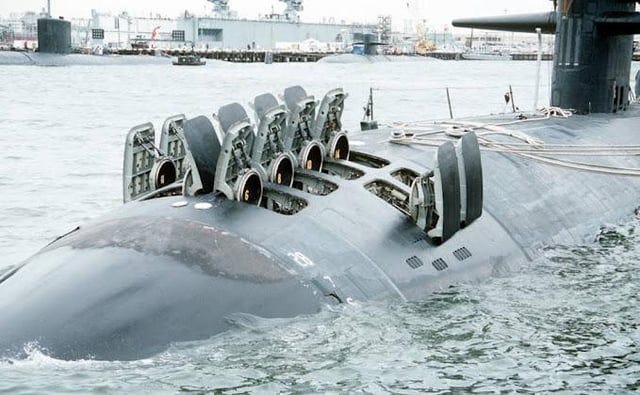
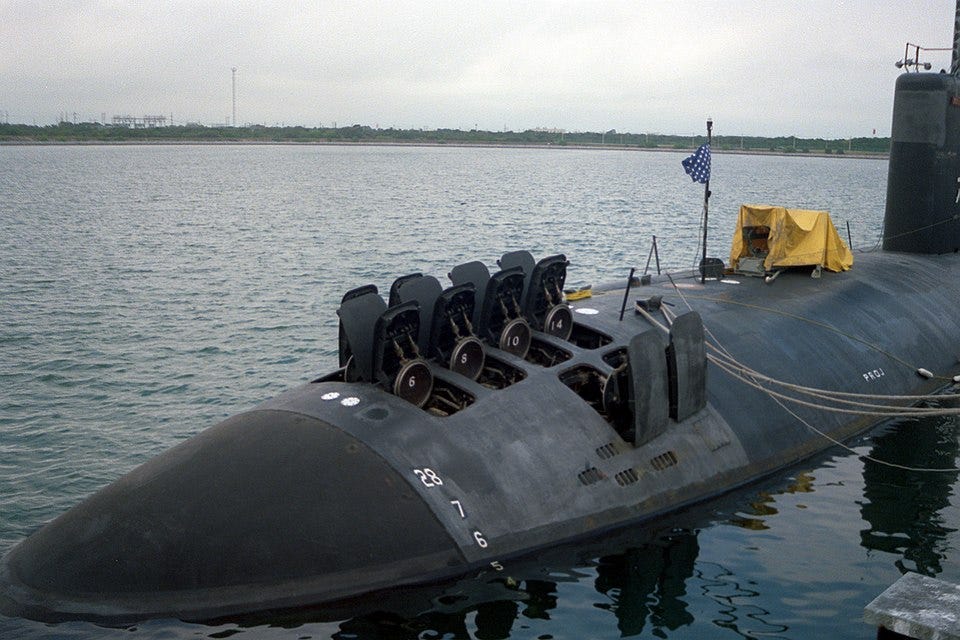
A quick review of what works would be useful here. Note the value that having Vertical Launch System cells brings to a hull.
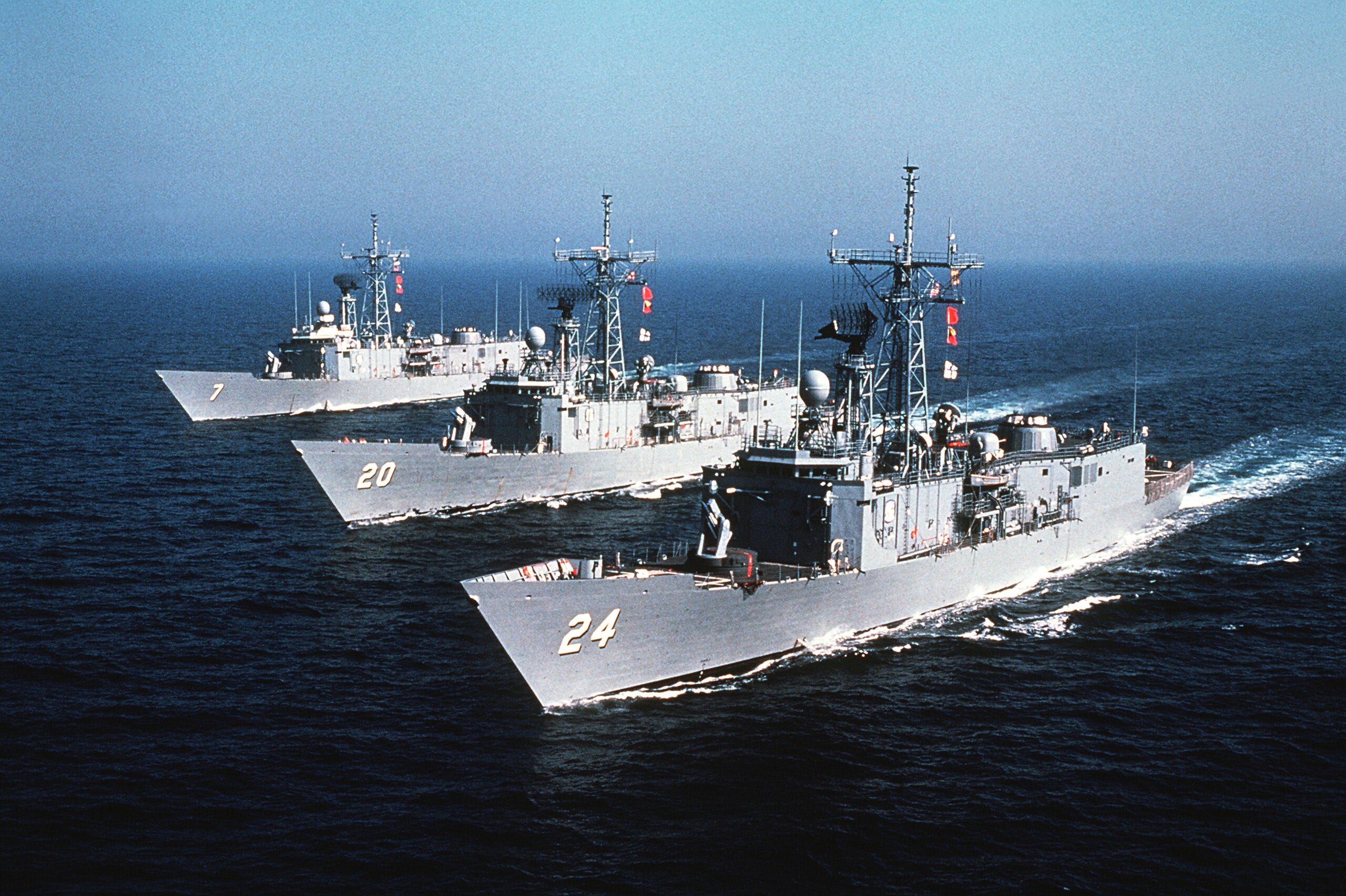
The 71 Oliver Hazard Perry class frigates , built from 1975 to 2004, are ten years gone from the U.S. Navy, but two dozen remain in service elsewhere.
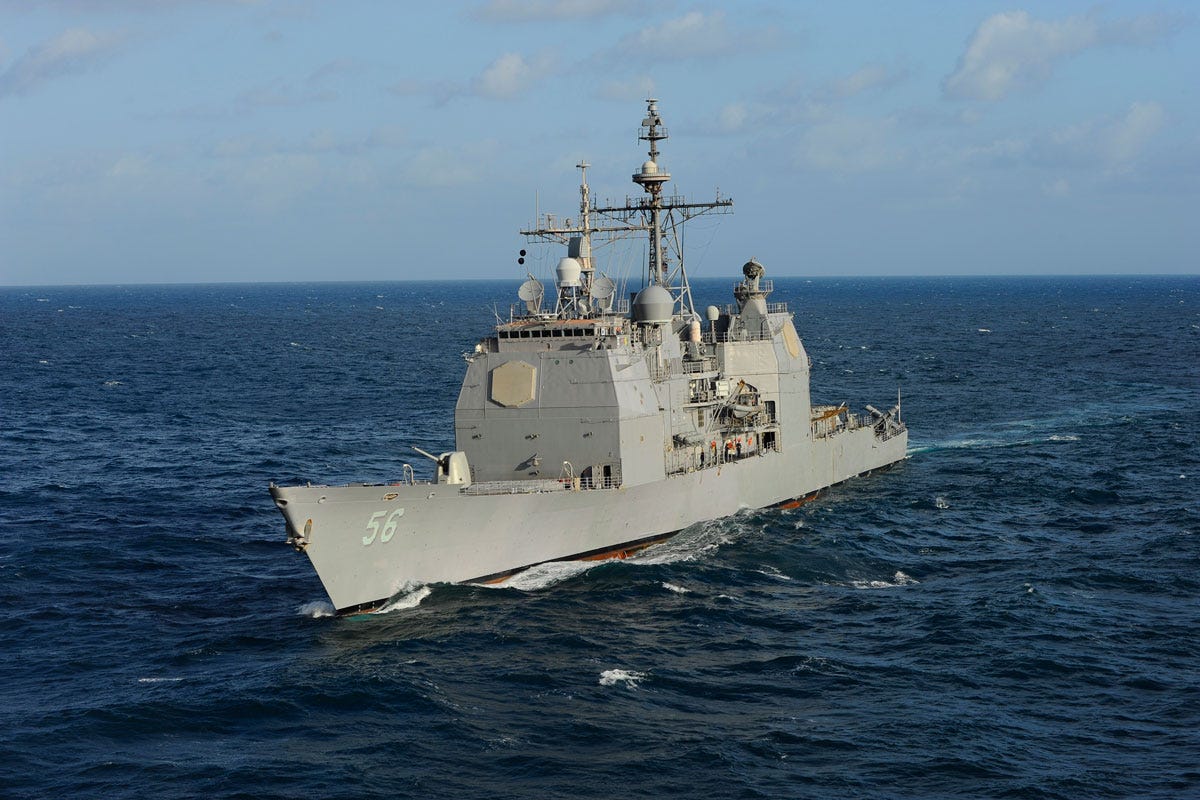
The five original Ticonderoga class cruisers were quickly relegated to home waters duties, but of the 22 that followed, with their enormous 122 VLS cell count, seven remain in service today, despite the 1980 to 1994 production run.
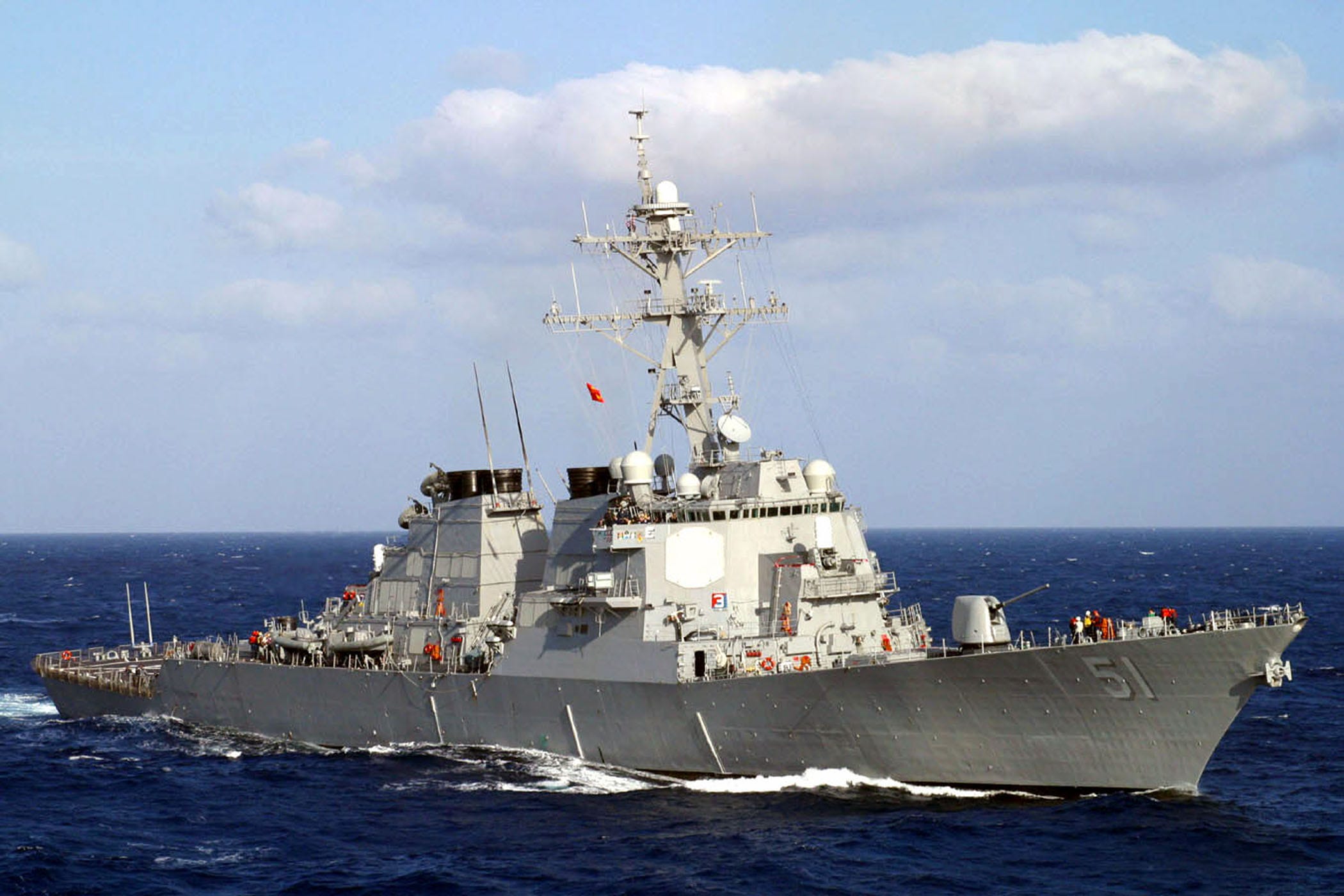
The Arleigh Burke class destroyer is the final evolved form of surface combatant, entering production in 1988 and continuing today, with a two year hiatus after we finally got bin Ladin. There are 74 in service, four built and awaiting commissioning, and 21 more in the pipeline, for a total of 99. Early ships have just 90 VLS cells, the modern design offers 96.
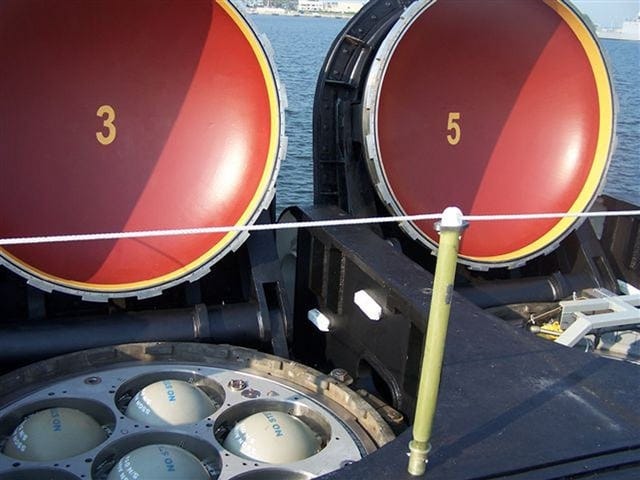
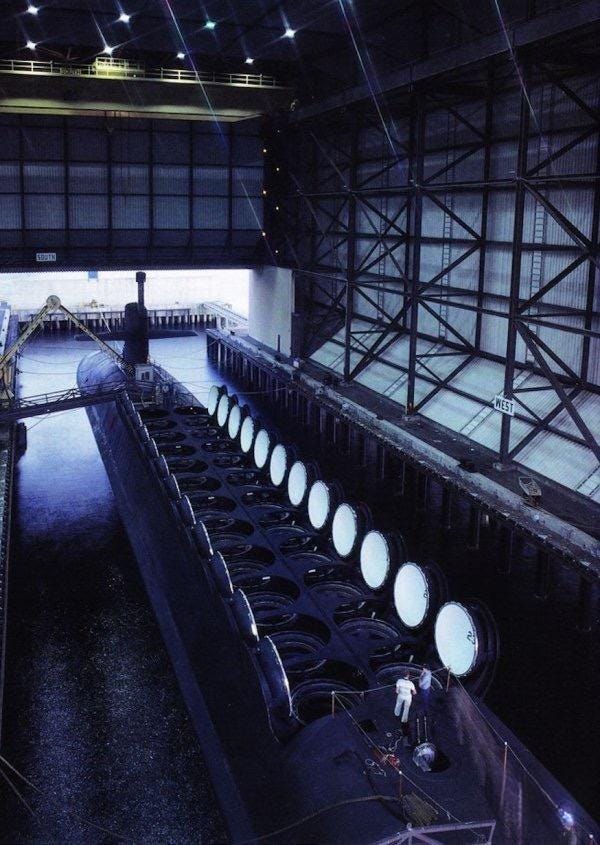
The 18 Ohio class ballistic missile boats, built from 1976 to 1997, are all still in service, but treaty obligations sidelined four of them. Rather than laying them up, those four got converted to tactical strike duties, with 22 seven shot VLS cells replacing their large Trident ballistic missiles, for a total of 154. They are the closest thing we have to battleships in the 21st century.
The 62 Los Angeles class attack boats, built from 1972 to 1996, are a bit like the Ticonderoga class - early builds got retired. The 31 Flight I boats lacking VLS are long gone, the eight Flight II boats with VLS were let go, but the 23 Flight III boats still serve. Both Flight II and III have 12 VLS cells.
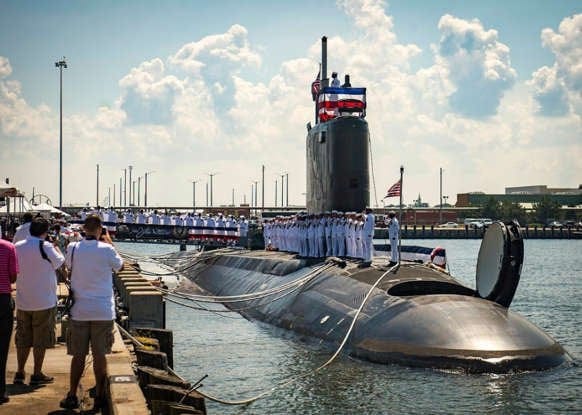
There are 25 active Virginia class submarines and we’ll build another 43. They are like the Ticonderoga, in that the early 12 VLS cell boats gave way in Block V to having four Virginia Payload Modules, which are a clone of the Ohio class seven shot VLS cells, and they’ve got two Virginia Payload Tubes, which are flexible spaces that only hold six VLS cells, but which can do several other things. That’s a 40 total VLS cells, unless the VPTs are swapped for special mission gear.
Historical Stumbles:
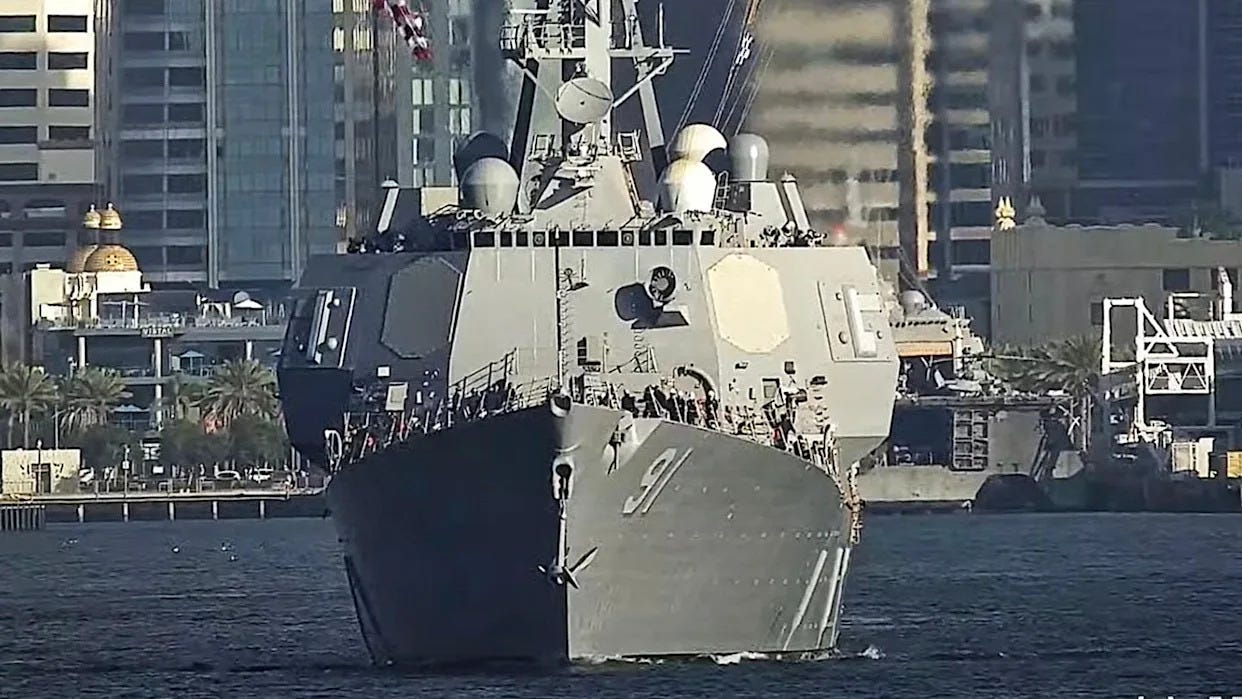
The Constellation class frigate is (was?) another great concept that proved inappropriate when it came time to produce. The prior microclasses are:
The 1989 Seawolf Class submarine, which cost overran its 29 boat order into a grand total of three hulls. The U.S.S. Jimmy Carter, an undersea cable tap specialist, is the one bright spot. No VLS cells here, but they have eight torpedo tubes and carry up to 50 “swim then launch” cruise missiles.
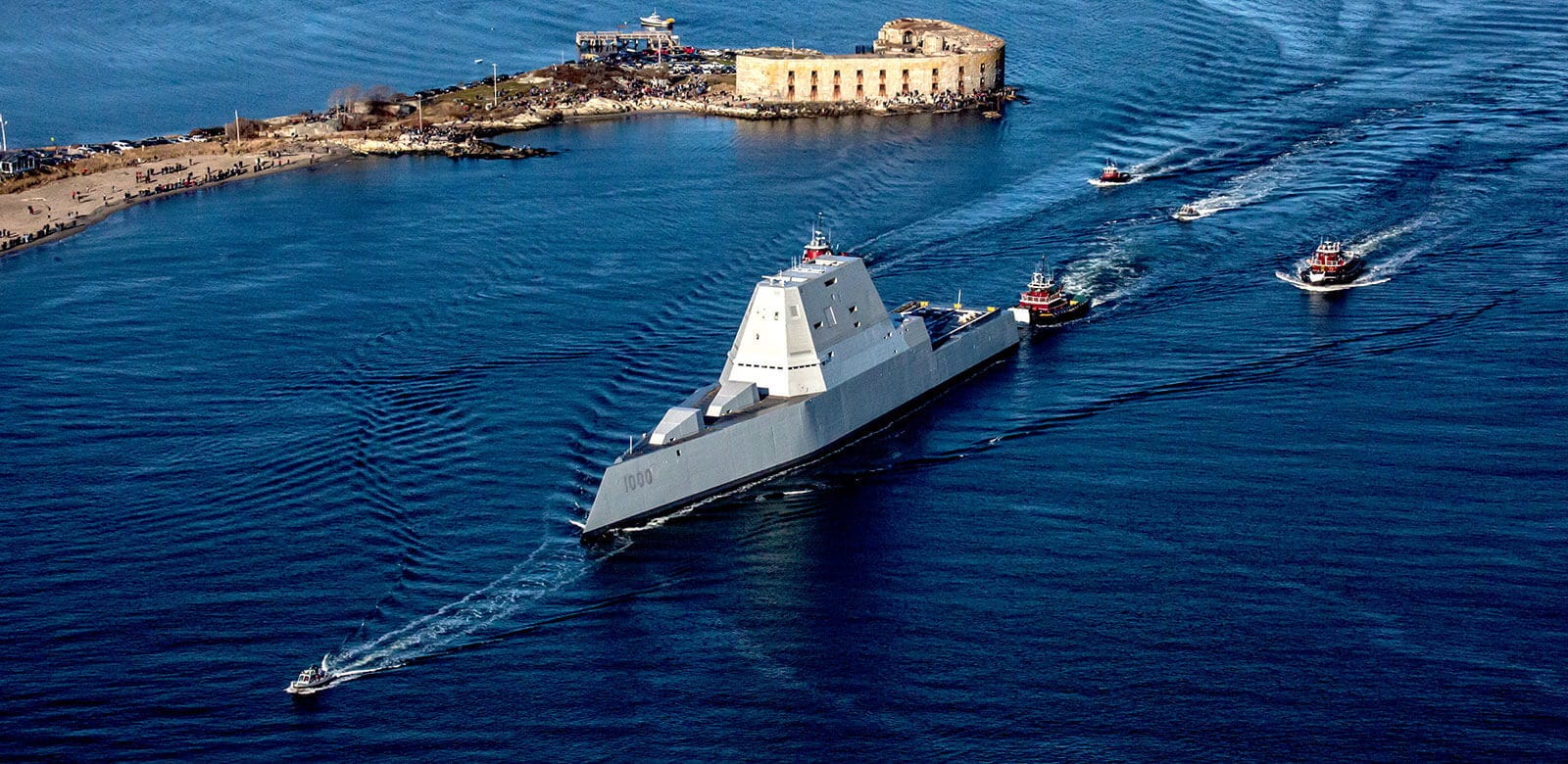
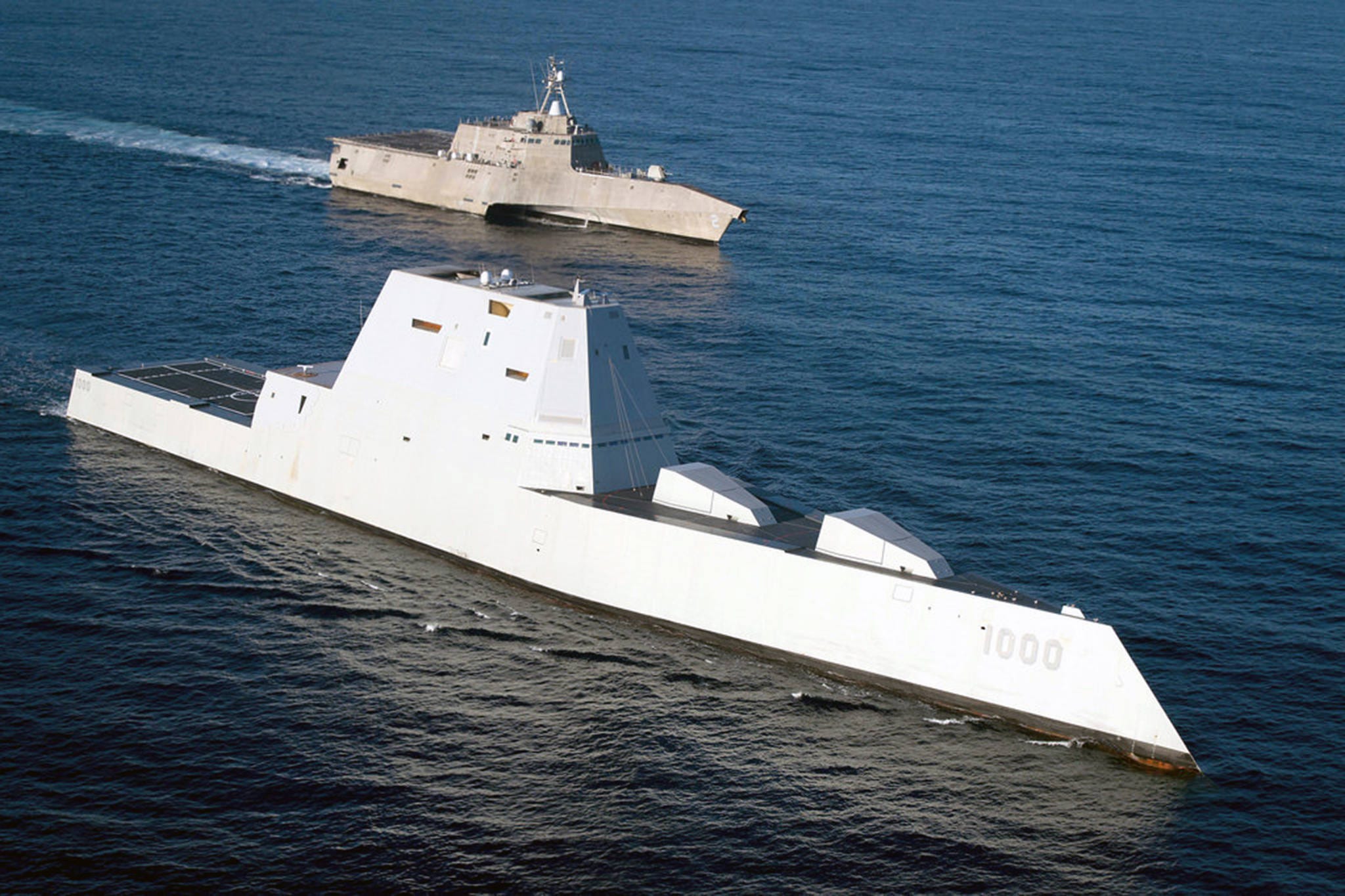
The 1989 design concept Zumwalt Class destroyer finally meandered into service as a three ship class in 2016. Each of these stealth ships has a pair of 155mm guns, but they’re idle due to the lack of specialized ammo. They have 80 VLS cells.
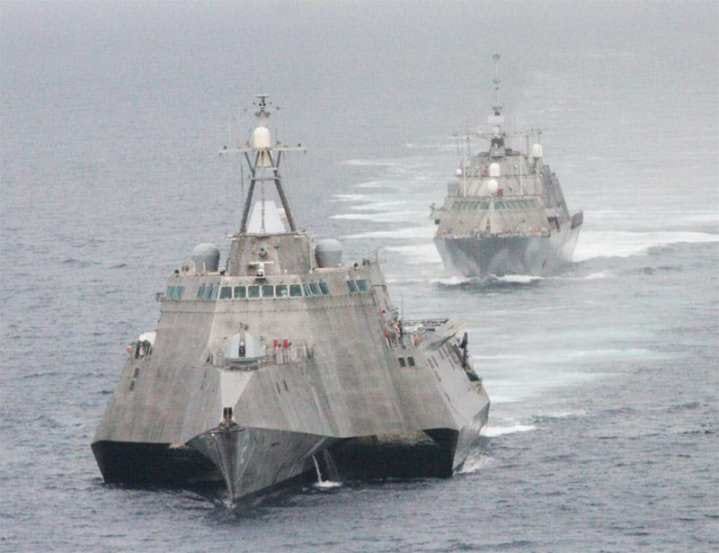
The Littoral Combat Ships, which were quickly nicknamed the Little Crappy Ships, were a defense contractor’s wet dream come to life. Putting on the appearance of the sort of competition that used to get us good kit, there are two types, the Freedom and Independence classses. Neither should have been more than a microclass, but politics has kept them coming.
Dividing Line:
Ships (surface combatants) and boats (submarines) with VLS cells keep getting built and they mostly stay in service. The only ones with VLS cells that are retired are 15 of the 22 Ticonderoga class. All the rest continue in service despite their age, with maybe one or two exceptions among subs that got involved in collisions, making them unrepairable.
Being on the autism spectrum, I will count things that other people hardly notice. I went through with a spreadsheet nearby a couple year ago - there are 15x122 = 1830 retired VLS cells in the Ticonderogas, and over 9,000 remain in service in the other vessels, mostly the enormous herd of Arleigh Burke destroyers, with submarines having most of the rest.
There was a plan, never implemented, for San Antonio class amphibious assault ships to carry 16 VLS cells. Their radar is limited and, as I understand it, these could be directed by the AEGIS combat system on an accompanying Ticonderoga cruiser or Arleigh Burke destroyer.
VLS Cell Payload:
Given the permanent nature of the VLS cell, with their flexibility and long service life, there are a wide variety of things that have been done with them. This is not exhaustive, but it gives a sense of what’s possible.
Strike Length cells carry Tomahawk cruise missiles on both ships and boats.
Strike Length cells carry long range SAMs, whose designations being with SM, short for Standard Missile.
Tactical Length cells carry medium range SAMs and anti-submarine rockets.
Self-Defense Length cells containing four short range RIM-162 Evolved Sea Sparrow Missiles each.
So the VLS cells, in combination with the AEGIS combat system, provide a three layer self defense against aircraft, a single layer of anti-submarine capability, and a strike capability in the form of the Tomahawk cruise missile.
These are the core of missiles on U.S. ships, but not the only ones. We previously mounted the fairly small Harpoon antiship missile in eight pack launchers, usually amidship, with four pointed to each side. The non AEGIS ships, basically everything but cruisers and destroyers, are equipped with a point defense system called Rolling Frame. These are turrets with 21 missiles, having a three to five mile range, meant to pick off incoming cruise missiles that get past their AEGIS equipped escorts.
Constellation Specifically:
Like the other microclasses, the Constellation is a great theory that got whacked by harsh reality. Our ships often deploy in either Carrier or Expeditionary Strike Groups. These involve a supercarrier with its attendant air wing, or a helicopter carrier with other amphibious support ships, carrying a brigade sized Marine Expeditionary Unit.
When the Soviet Union collapsed that removed the only competent enemy with a submarine fleet, so the loss of the anti-submarine capabilities of the Oliver Hazard Perry class was not perceived as a serious loss. Now that China is rising, we again want to have a smaller ship that can handle subs, and the Constellation is double the size of the OHP, partly because conflict with China will mean the vast distances of the Pacific.
There were two things the Constellation really needed, these being VLS cells, and a combat system that would work with AEGIS ships, as well as allowing standalone protection of smaller formations. The plan was for 32 Strike Length VLS cells. I don’t know the particulars, but I think this was a combination of seeking maximum flexibility, and adding or expanding strike capability for amphibious operations.
The radar was a moving target - makes it small and cheap! Make it equal to or better than the destroyer version! Make it the same as what’s on all the non-AEGIS ships! Some amount of these sorts of gyrations are fine - the first few ships of every class are always to some degree technology demonstrators, but it’s usually pretty mature technology. There are straight up demonstration platforms out there, older ships or converted commercial vessels never meant for combat, which are used to test new ideas.
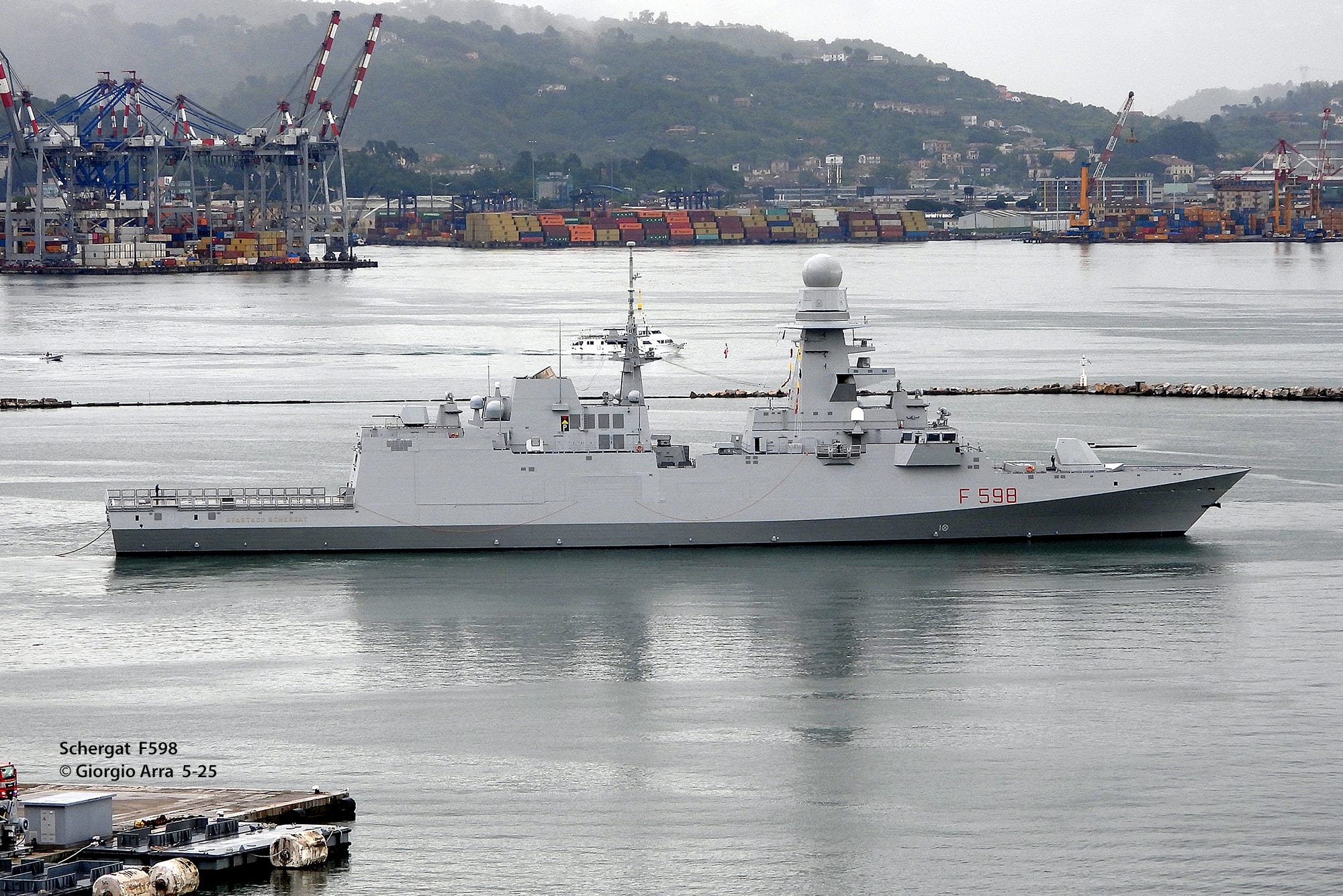
Seeking to avoid the cost overruns that killed the Seawolf and Zumwalt, and which should have nailed the LCS, the Constellation was to be quickly built based on the existing 22 active European FREMM frigates. The areas that needed innovation - specifically the radar, could be based on things that already work, atop a well understood hull.
One early warning sign was the base acquisition cost itself. We pay around $2 billion for those capable, proven 96 cell Arleigh Burkes, and half that cost for only 32 cells … that got MY attention. This is a simplistic metric - they’re different ships with different missions, but even so, the minute I saw that I got that sinking feeling that evolved over the years as I followed the LCS debacle.
Conclusion:
Instead of creating themselves a permanent endowment like the Arleigh Burke class, Fincantieri and Marinette Marine tried to turn the nice little FREMM ship into a feeding trough. Had they been on time and under budget we’d have built five dozen of these, replacing the OHP. We’d have chafed at the limited VLS cell count, but their size would have allowed the same sort of evolution the destroyers have undergone.
Those two companies deserve whatever abuse the market heaps on them for their incompetent handling of his opportunity. I’m sure the Navy’s “why isn’t this another Arleigh Burke” urges had a lot to do with his, but one would think, after the endless drubbing they got over the LCS, they might at least TRY to do better.
But all those Marines in the various amphibious assault ships deserve competent protection from threats above and below the surface. They are not getting it. China has 200 shipyards that build naval vessels. The U.S. has just four and half of those are more inclined to make messes than they are to produce quality surface combatants.
Even after all that … the Arleigh Burkes could get stretched a few feet in beam and length, and we’ll still be using the class a century after the first one was christened. This is a far better situation than what we face with Fat Amy - the pet name that’s been bestowed on the multidimensionally bloated F-35 fighter.
Once you look at the layer below our limited shipyard capacity things get REALLY ugly. Can we even build these things without the rare earth metals produced almost exclusively in China? The U.S. is in an imperial death spiral and we’re going to learn some things about supply chains before we hit bottom. Maybe if we had referred to globalism by its true name, Pax Americana, we wouldn’t have cut our own throats.
But I digress, as one does in lengthy holiday specials …
Eye Candy: